
The Progress You Might Be Overlooking (And Why Small Classes Make All the Difference)
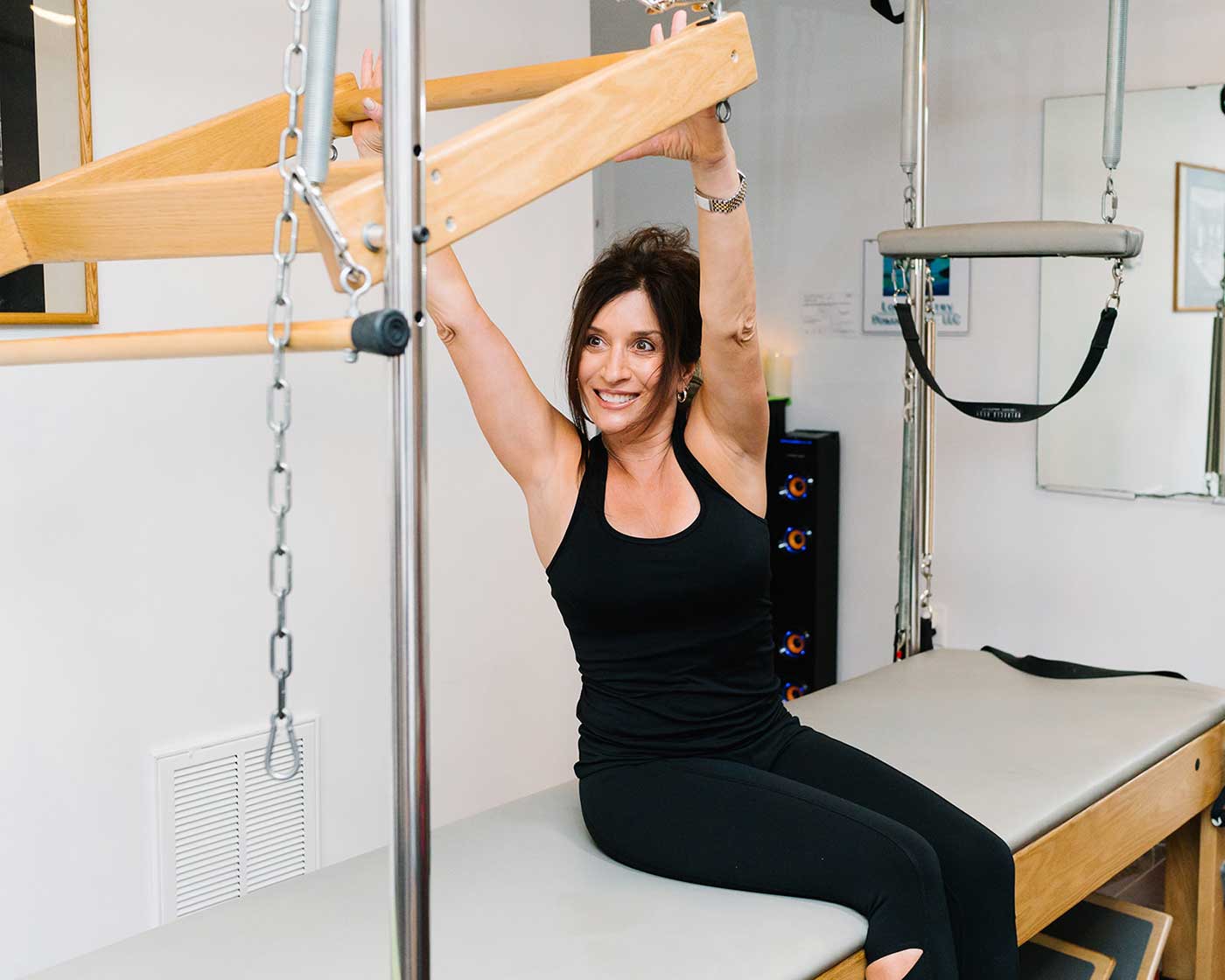
Progress Is Happening, Even When You Can’t See It in the Mirror
Visible progress in Pilates often shows up in the quietest ways first. It is the moment you realize you sat up from the mat without bracing yourself on anything. It is when you notice your posture automatically lengthening when you are waiting in line at the grocery store. It is that your lower back simply does not ache the way it used to after a long car ride. These are not small things. These are the results you came here for, and they deserve to be celebrated.
If you have been practicing consistently, pay attention this week to a few specific things: how you get in and out of your car, how you hold yourself when you are standing at a counter, and how your breathing feels when something stressful happens. Pilates works from the inside out, and those interior shifts are always leading the way before the more obvious external changes arrive.
Why Small Class Size Is Not a Limitation, It Is the Point
When people first learn that our Group Reformer classes and Mat and Tower classes are intentionally kept small, sometimes there is a question behind their eyes: is that because you have not filled up yet? I want to answer that directly. No. It is a deliberate, non-negotiable part of how we teach Pilates here, and it is one of the most valuable things we offer.
In a large, crowded fitness class, an instructor is essentially managing traffic. They are cueing the group and hoping everyone finds their own way. In a small class, our instructors, whether that is Catherine, Emily, Jill, Joanelle, Joyce, Kelly, or Wendy, can actually see you. They can see that your right hip is hiking on the footwork series. They can notice that you are gripping your neck instead of using your deep abdominals. They can offer a modification before something becomes a problem, and they can offer a progression when you are ready for one.
For our community here, adults who are serious about their health and who often come to us with the complex history that life brings, that level of attention is not a luxury. It is a necessity. A one-size-fits-all approach does not serve a body that has a story. Our small class model makes sure your story is actually heard every single time you walk through our door.
What Our Instructors Are Actually Watching For
Here is something that might shift how you experience your next class. While you are focused on getting the choreography right, your instructor is watching a completely different set of things. They are looking at your breath pattern, your spinal alignment through the movement, which stabilizers are engaging and which ones are taking a vacation, and how your body responds to fatigue as class progresses.
This is classical Pilates teaching at its best. Joseph Pilates designed this method to be taught with eyes on the body, not eyes on a clock. That is only possible when class size allows for genuine observation. So the next time an instructor offers you a modification or a different spring tension or suggests you try the long box instead of the short box, please hear it as good news. It means you are being seen. It means your practice is being shaped around your actual body on that actual day. That is the kind of progress that compounds beautifully over time, and it is something we are fiercely committed to protecting here at Lowcountry Power Pilates Studio.
A Few Ways to Start Noticing Your Own Progress This Week
I would encourage you to start a simple, informal practice of noticing. It’s recognizing a cue before your instructor says it. Moving with more control. Noticing when something feels different. Feeling steadier in a movement that used to require all of your concentration. You just need a moment of honest attention. Before your next class, take thirty seconds to check in with where your body is that day. After class, take another thirty seconds to notice what feels different. Over weeks, those before-and-after snapshots build into a picture of real, undeniable change.
Progress in Pilates is rarely dramatic and immediate. It is steady, layered, and deeply personal. The studio environment we have built here, the small groups, the attentive instructors, the community of people who genuinely cheer each other on, is designed to support exactly that kind of lasting change. You don’t always need to be doing something harder to be getting stronger. Paying attention to the small changes count toward progress.
In Health,
Joyce Ganzermiller & LCPP team